 گروه حمایت و همدلی زوجین نابارور

IVF for PCOS Patients in Iran: A Specialized Protocol for High Success & Safety
 مولف: Ata Safarnezhad
Navigating the path to parenthood with Polycystic Ovary Syndrome (PCOS) can feel like a complex and often frustrating journey. While In Vitro Fertilization (IVF) represents a powerful solution, it requires a highly specialized approach for PCOS patients to be both successful and safe. The standard IVF protocols that work for others can be ineffective or even dangerous for you. In Iran, fertility centers have developed a targeted methodology for IVF for PCOS patients in Iran, focusing on a dual objective: maximizing the chances of a healthy pregnancy while rigorously minimizing the significant risks associated with the condition.
This guide provides a detailed look into the advanced PCOS fertility treatment in Iran, moving beyond generic advice to explain the specific medical strategies that define the Iranian approach. We will explore why patients with PCOS are unique, the critical danger of Ovarian Hyperstimulation Syndrome (OHSS), and how specific protocols, such as the Antagonist protocol with a GnRH agonist trigger, are expertly employed. This is not just about getting pregnant with PCOS; it is about doing so with the highest standards of medical care, prioritizing your health and well-being at every step.
Understanding Polycystic Ovary Syndrome (PCOS)
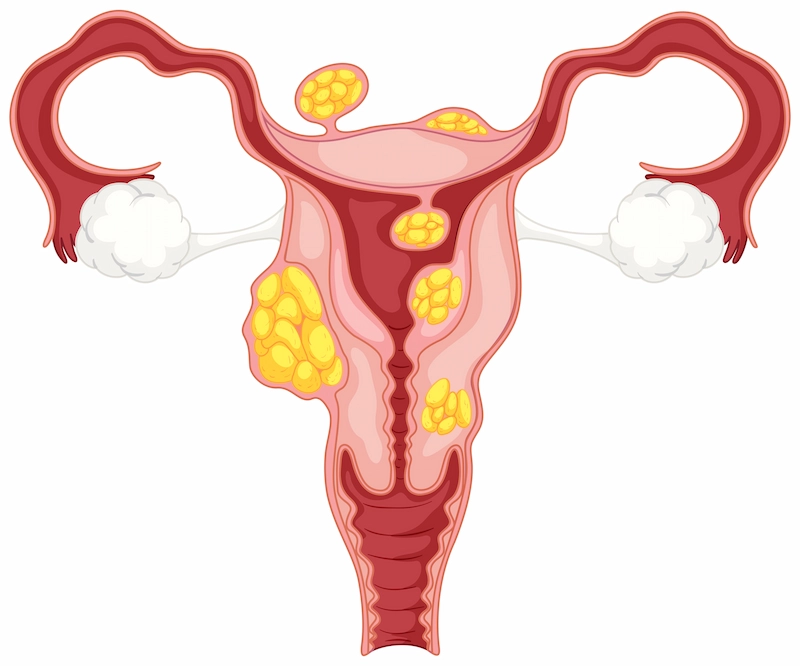
Polycystic Ovary Syndrome is a common endocrine disorder affecting women of reproductive age, and it is a leading cause of infertility. At its core, PCOS is characterized by a hormonal imbalance—specifically, an overproduction of androgens (male hormones) and often insulin resistance. This imbalance disrupts the normal menstrual cycle and prevents regular ovulation, which is the release of a mature egg from the ovary each month.
The term “polycystic” refers to the appearance of the ovaries on an ultrasound, which may show numerous small follicles (fluid-filled sacs containing immature eggs). Contrary to what the name suggests, these are not true cysts but rather follicles that have been unable to mature and release an egg. This high number of resting follicles is a key factor that must be carefully managed during fertility treatment.
The Unique Challenges of IVF for PCOS Patients
The journey of IVF for PCOS patients in Iran begins with a deep understanding of the two primary challenges that this condition presents during ovarian stimulation. A one-size-fits-all approach is not only suboptimal but can also be hazardous. The entire treatment strategy must be tailored to navigate these specific biological hurdles.
The High Risk of Ovarian Hyperstimulation Syndrome (OHSS)
The most significant concern for any PCOS patient undergoing IVF is Ovarian Hyperstimulation Syndrome (OHSS). This is an exaggerated response to the fertility medications used to stimulate egg growth. Because PCOS patients naturally have a very high number of antral follicles, their ovaries can overreact dramatically to stimulation, leading to a cascade of potentially severe complications.
Mild OHSS can cause abdominal bloating and discomfort. However, severe OHSS is a serious medical condition that can lead to rapid weight gain, fluid accumulation in the abdomen and chest, blood clots, and kidney dysfunction, sometimes requiring hospitalization. Effective OHSS risk management in IVF is not just a preference; it is a clinical necessity and the foremost priority in any responsible treatment plan for PCOS.
The Dual Goal: Quantity and Quality of Oocytes
The paradox of PCOS is that while the ovaries contain a large quantity of follicles, the quality of the eggs (oocytes) within them can often be compromised. The hormonal environment in PCOS can negatively impact egg development, leading to a higher percentage of immature or chromosomally abnormal eggs.
Therefore, the goal of stimulation is not simply to retrieve a large number of eggs. The true objective is to retrieve a good number of mature, high-quality eggs that are capable of developing into healthy embryos. An aggressive stimulation might yield many eggs, but if their quality is poor, the IVF cycle will ultimately fail. The best IVF protocol for PCOS is one that carefully balances this delicate relationship between quantity and quality.
The Iranian Advantage: A Tailored IVF Protocol for PCOS
Recognizing these challenges, fertility specialists in Iran have standardized a patient-centric protocol designed to maximize safety and success. This strategy is built on evidence-based practices that provide physicians with maximum control over the stimulation process, allowing for precise adjustments based on the patient’s individual response.
The Antagonist Protocol: The Gold Standard for Control
The GnRH Antagonist protocol is the preferred method for ovarian stimulation in women with PCOS. Unlike older protocols, the antagonist protocol offers greater flexibility and a reduced risk of premature ovulation. It involves starting injections of follicle-stimulating hormone (FSH) near the beginning of the menstrual cycle to encourage follicle growth.
A few days later, a second type of injection, the GnRH antagonist (e.g., Cetrotide or Ganirelix), is introduced. This medication acts as a crucial brake, preventing the body’s natural luteinizing hormone (LH) surge that would trigger ovulation prematurely. This gives the clinical team precise control to let the follicles grow to the optimal size without the risk of losing the cycle, making it the cornerstone of a modern PCOS fertility treatment in Iran.
GnRH Agonist Trigger: The Critical Safety Switch
Perhaps the most important innovation in OHSS risk management in IVF is the use of a GnRH agonist trigger (e.g., Lupron, Decapeptyl) instead of the traditional hCG trigger shot. The hCG trigger is very effective at maturing eggs, but it has a long-lasting effect on the ovaries that significantly increases the risk and severity of OHSS in high-responders like PCOS patients.
A GnRH agonist trigger, however, works differently. It prompts the patient’s own pituitary gland to release a short, sharp surge of natural LH to mature the eggs. This surge is very effective but also very brief, typically lasting less than 24 hours. The ovaries are not exposed to prolonged stimulation, and the risk of developing moderate to severe OHSS is virtually eliminated. This “safety switch” is a non-negotiable component of the best IVF protocol for PCOS in top Iranian clinics.
“Freeze-All” Strategy: Prioritizing a Healthy Uterine Environment
To further enhance both safety and success rates, a “freeze-all” or elective frozen embryo transfer (eFET) strategy is often employed. After the eggs are retrieved and fertilized, all viable embryos are cryopreserved (vitrified) instead of transferring one or two back into the uterus in the same cycle.
This approach offers two major advantages:
- Complete OHSS Prevention: It allows the effects of the stimulation and the GnRH agonist trigger to completely subside, ensuring the patient’s body returns to its natural state and eliminating any risk of late-onset OHSS, which can be triggered by pregnancy hormones.
- Improved Implantation Rates: The high hormonal levels during a stimulation cycle can make the uterine lining (endometrium) less receptive to an embryo. By transferring the embryo in a subsequent, non-stimulated (or minimally stimulated) cycle, it is placed into a more natural and receptive uterine environment, which can significantly increase the chances of successful implantation and a healthy pregnancy.
Optimizing Outcomes Beyond the Protocol
A successful IVF cycle for a PCOS patient involves more than just a well-executed stimulation protocol. A comprehensive approach addresses the underlying metabolic and hormonal issues associated with the condition, creating the best possible biological foundation for a successful pregnancy. This holistic view is central to improving the IVF success rates for PCOS patients in Iran.
The Role of Metformin in PCOS IVF
Metformin is an insulin-sensitizing medication commonly prescribed to women with PCOS, particularly those with demonstrated insulin resistance. For many patients, a course of IVF with metformin leading up to and during the stimulation phase can be highly beneficial.
By improving the body’s response to insulin, metformin can help restore hormonal balance, improve ovulatory function, and enhance the overall metabolic environment. Some studies suggest it may also improve oocyte quality and increase pregnancy rates while reducing the risk of OHSS. Its inclusion in a treatment plan is decided on a case-by-case basis after thorough evaluation.
Pre-Treatment Preparation: Diet and Lifestyle for PCOS IVF
Lifestyle modifications are a powerful and non-negotiable part of preparing for IVF. They can have a profound impact on improving egg quality PCOS and enhancing endometrial receptivity. Fertility clinics in Iran place a strong emphasis on pre-treatment counseling and patient education in this area.
Key recommendations often include:
- A Low-Glycemic Diet: Focusing on whole grains, lean proteins, healthy fats, and plenty of vegetables can help manage insulin levels and support hormonal balance.
- Regular Physical Activity: Moderate exercise, such as brisk walking, swimming, or cycling, helps improve insulin sensitivity and manage weight.
- Weight Management: For patients who are overweight, losing even 5-10% of body weight can significantly improve hormonal profiles and IVF outcomes.
- Targeted Supplementation: Certain supplements, like Myo-inositol and D-chiro-inositol, have shown promise in improving egg quality and metabolic parameters in PCOS patients, though they should only be taken under medical guidance.
Advanced Laboratory Techniques in Iranian Clinics
The success of an IVF cycle also depends on the excellence of the embryology laboratory. Leading Iranian fertility centers are equipped with state-of-the-art technology and employ highly skilled embryologists. Techniques that are particularly beneficial for PCOS patients include:
- Intracytoplasmic Sperm Injection (ICSI): Often used to overcome potential fertilization issues by injecting a single, healthy sperm directly into each mature egg.
- Vitrification: An ultra-rapid freezing technique that ensures very high survival rates for both eggs and embryos, making “freeze-all” strategies highly effective.
- Preimplantation Genetic Testing (PGT-A): This can be used to screen embryos for chromosomal abnormalities before transfer, increasing the chance of implanting a healthy embryo and reducing miscarriage rates.
Navigating Your PCOS Fertility Treatment in Iran
For international patients, the process is designed to be clear, structured, and supportive. The journey from initial inquiry to treatment is managed with a focus on patient comfort and clinical excellence, ensuring a smooth experience.
Initial Consultation and Personalized Assessment
Your journey begins with a comprehensive remote or in-person consultation. This involves a thorough review of your medical history, previous treatments, and diagnostic tests. Your Iranian specialist will conduct a detailed hormonal and ultrasound assessment to confirm your PCOS diagnosis and evaluate your unique ovarian reserve. This allows them to design a completely personalized treatment plan.
The Treatment Timeline: What to Expect Step-by-Step
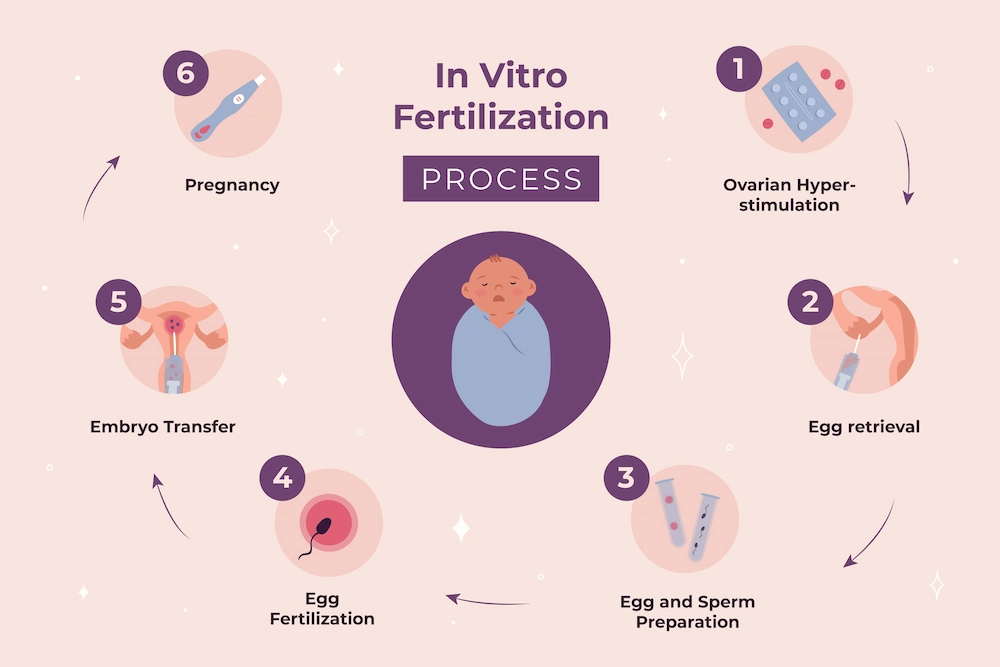
While each plan is customized, a typical timeline for a “freeze-all” cycle involves a stay of approximately 3 to 4 weeks in Iran. This period covers the ovarian stimulation phase (around 10-14 days of injections), monitoring via ultrasound and blood tests, the egg retrieval procedure, and the subsequent fertilization and freezing of embryos. You can then return home and plan for the frozen embryo transfer at a later date, which requires a shorter second visit.
Understanding IVF Success Rates for PCOS Patients in Iran
It is crucial to look at success rates with the right perspective. Due to the high number of eggs often retrieved from PCOS patients, the cumulative pregnancy rate per egg retrieval is often very high. This means that one stimulation cycle can yield multiple embryos, giving the patient several opportunities for a frozen embryo transfer if the first one is not successful. The focus on improving egg quality PCOS and optimizing the uterine environment through frozen transfers leads to excellent per-transfer success rates that are competitive with top clinics worldwide.
Frequently Asked Questions (FAQ)
Q1: Is the language barrier a significant problem when seeking fertility treatment in Iran?
Most leading fertility clinics in Iran that cater to international patients have dedicated international patient departments with multilingual staff, including fluent English speakers. Doctors, nurses, and coordinators are accustomed to working with foreign patients, ensuring clear communication throughout your treatment process.
Q2: How does the cost of this specialized PCOS IVF protocol in Iran compare to Europe or North America?
The cost of IVF treatment in Iran is significantly more affordable than in most Western countries, often ranging from 30% to 50% of the price. This cost-effectiveness extends to the specialized protocols and advanced lab techniques required for PCOS patients, making world-class, safe fertility care financially accessible to a broader range of people.
Q3: Can lifestyle changes alone help me get pregnant with PCOS, or is IVF always necessary?
For some women with PCOS, especially those who are overweight, significant lifestyle changes involving diet, exercise, and weight loss can be enough to restore regular ovulation and lead to a natural pregnancy. However, for many others, or when male factor infertility is also present, assisted reproductive technologies like IVF offer the most direct and effective path to pregnancy.
Q4: What happens if I still produce a very high number of eggs despite the safe protocol?
The primary goal of the safe protocol is to prevent the stimulation from progressing to dangerous OHSS. Even if you produce a large number of eggs (e.g., over 25), the use of a GnRH agonist trigger and a “freeze-all” strategy ensures your safety. This high yield is often seen as an advantage, as it can result in multiple high-quality embryos, providing more chances for pregnancy from a single retrieval cycle.
Q5: How long do I need to stay in Iran for the entire process, including the embryo transfer?
The process is typically split into two visits. The first visit for the ovarian stimulation and egg retrieval lasts about 3-4 weeks. The second visit for the frozen embryo transfer is much shorter, typically requiring a stay of about 7-10 days. This separation makes the logistics more manageable for international travelers.
Conclusion
For women with Polycystic Ovary Syndrome, the dream of motherhood is entirely within reach, but it demands a path paved with medical expertise, caution, and a strategy tailored to the condition’s unique biology. The approach to IVF for PCOS patients in Iran embodies this philosophy. It is a calculated, safety-first methodology that rejects the one-size-fits-all model in favor of a specialized protocol designed for high-responders. By prioritizing OHSS risk management in IVF through the use of the Antagonist protocol and a GnRH agonist trigger, clinicians can safely harness the high ovarian reserve characteristic of PCOS.
This foundation of safety, combined with a “freeze-all” strategy to ensure a receptive uterine environment and a holistic focus on pre-treatment health, creates a powerful formula for success. It transforms the challenges of PCOS into manageable variables, maximizing the potential to retrieve high-quality oocytes that lead to healthy embryos and, ultimately, a healthy baby. For countless patients, this specialized care has turned a difficult diagnosis into a story of hope and a successful journey to parenthood.