 گروه حمایت و همدلی زوجین نابارور

ICSI in Iran: The Best Combination of Cost & Success Rate (2025)
 مولف: Ata Safarnezhad
Listen to the audio summary of the article
For couples navigating the complexities of infertility, a diagnosis of male-factor issues can feel like a significant roadblock. However, a revolutionary assisted reproductive technology known as Intracytoplasmic Sperm Injection (ICSI) has transformed the landscape, offering a powerful and precise solution. When seeking this advanced treatment, intended parents are increasingly discovering that the journey to parenthood leads to Iran, a country that has masterfully combined world-class medical innovation with exceptional affordability. ICSI in Iran is not merely a cost-effective alternative; it represents a premier destination where cutting-edge science, renowned specialists, and on of the world’s most favorable cost structures converge to offer unparalleled value and hope.
The decision to pursue fertility treatment abroad is significant, involving careful consideration of technology, expertise, success rates, and financial investment. Iran has distinguished itself by excelling in all these areas. The country’s top fertility centers are equipped with state-of-the-art laboratories and staffed by highly skilled embryologists who perform the ICSI procedure with remarkable precision. This expertise translates directly into a high success rate ICSI that rivals, and often surpasses, those of clinics in North America and Europe, but at a fraction of the cost. This guide provides a comprehensive overview of Intracytoplasmic Sperm Injection Iran, detailing the procedure, costs, success metrics, and why it has become the definitive choice for so many international patients.
What is Intracytoplasmic Sperm Injection (ICSI)?
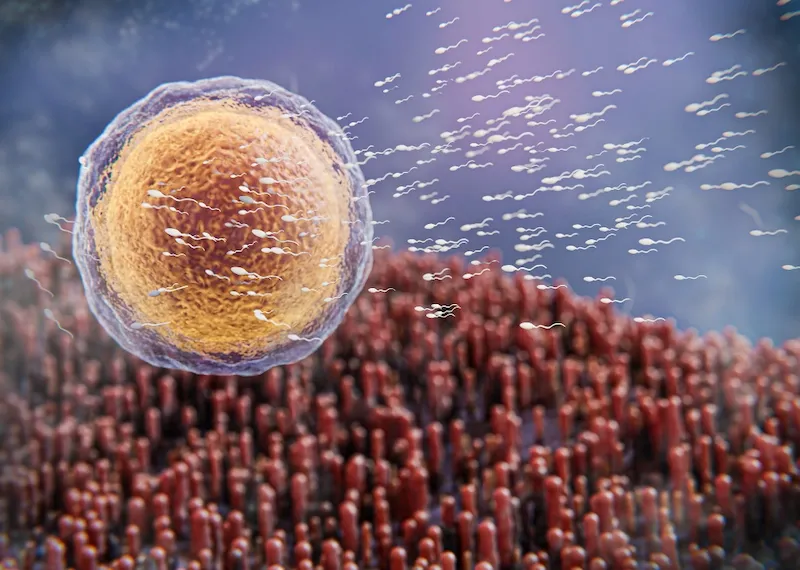
Intracytoplasmic Sperm Injection (ICSI) is a highly specialized form of In Vitro Fertilization (IVF) designed to overcome barriers to fertilization. In a conventional IVF cycle, tens of thousands of sperm are placed in a petri dish with an egg, and fertilization is expected to occur naturally. ICSI, however, is a more direct and definitive procedure: an embryologist uses a powerful microscope and sophisticated micromanipulation tools to select a single, healthy sperm and carefully inject it directly into the cytoplasm (the center) of a mature egg.
This technique effectively bypasses many of the challenges associated with male infertility. It circumvents issues of low sperm count, poor motility (movement), or abnormal morphology (shape) that would prevent sperm from fertilizing an egg on their own. Think of it as an expert-guided process; instead of leaving thousands of keys near a lock, a skilled locksmith selects the best key and carefully inserts it to ensure the door opens. This level of precision is why ICSI has become the gold standard for male infertility treatment Iran clinics specialize in.
When is ICSI Recommended? Key Indications
ICSI is primarily recommended for couples facing male-factor infertility, but its application has expanded to address several other fertility challenges. Fertility specialists in Iran will conduct a thorough diagnostic workup, including a detailed semen analysis, to determine if ICSI is the most appropriate course of action.
Your doctor will likely recommend this procedure if any of the following conditions are present:
- Severe Male Factor Infertility: This is the most common reason for using ICSI and includes:
- Low Sperm Count (Oligozoospermia): When the number of sperm in the ejaculate is very low.
- Poor Sperm Motility (Asthenozoospermia): When the sperm do not swim well enough to reach and penetrate the egg.
- Abnormal Sperm Morphology (Teratozoospermia): When a high percentage of sperm have an abnormal shape, which can hinder their ability to fertilize an egg.
- Surgical Sperm Retrieval: In cases where there is no sperm in the ejaculate (azoospermia), sperm can often be retrieved directly from the epididymis (PESA) or testes (TESA). Since these retrieved sperm cannot fertilize an egg on their own, ICSI is essential.
- Previous IVF Fertilization Failure: If a couple has undergone a previous conventional IVF cycle that resulted in poor or no fertilization despite good quality eggs, ICSI is the logical next step to overcome a potential sperm-egg interaction issue.
- Use of Frozen Sperm: Sperm that has been cryopreserved and thawed may have reduced motility. ICSI helps to maximize the chances of fertilization with these valuable samples.
- Unexplained Infertility: For some couples, after multiple failed attempts with other treatments, ICSI may be used to eliminate any undiscovered fertilization barriers as a cause of infertility.
- Preimplantation Genetic Testing (PGT): When embryos are destined for genetic testing, ICSI is almost always used for fertilization to prevent DNA from non-fertilizing sperm from adhering to the egg’s outer shell, which could interfere with the accuracy of the test results.
The Unmatched Advantage: Why Choose ICSI in Iran?
Iran’s emergence as a global leader in fertility treatment is built on a powerful value proposition. The country offers a unique synergy of medical excellence, technological advancement, outstanding success rates, and a cost structure that makes treatment accessible to a global audience.
World-Class Expertise and Leading Specialists
The success of an ICSI procedure hinges on the skill of the embryologist. Iran is home to some of the world’s best doctors for ICSI and embryology teams. Many of these specialists have trained at renowned institutions in Europe and the United States, bringing back a wealth of knowledge and experience. They perform a high volume of ICSI cycles annually, honing their skills to a level of precision that directly contributes to the country’s high success rates.
State-of-the-Art Laboratories and Technology
The best ICSI clinic in Iran will be equipped with a laboratory that meets the highest international standards. These facilities feature advanced, high-magnification microscopes, precision micromanipulators, and rigorously controlled cleanroom environments with filtered air systems. This investment in technology is critical, as it ensures the delicate gametes (eggs and sperm) and resulting embryos are cultured in an optimal environment, maximizing their potential for healthy development.
A Global Leader in Affordability
The financial aspect is a significant factor for most couples, and this is where Iran truly stands apart. The affordable ICSI Iran offers is not due to any compromise in quality but is a result of the country’s economic structure, lower overhead costs, and favorable currency exchange rates. A single ICSI cycle in Iran, including all core medical procedures, can cost between 3,000and3,000 and 5,500. This is a staggering difference compared to the 20,000to20,000 to 25,000 or more that the same procedure would cost in the United States or the UK.
Exceptional Success Rates That Rival Global Leaders
Ultimately, success is the most important metric. Iranian fertility centers boast fertilization rates with ICSI that are consistently in the 70-80% range, meaning that for every 10 eggs injected, 7 to 8 are expected to fertilize successfully. The clinical pregnancy rates that follow are equally impressive, often reaching 40-60% per embryo transfer for women under 35. These figures demonstrate that the combination of ICSI cost and success in Iran presents an unmatched value in the world of assisted reproduction.
The ICSI Procedure Step by Step in an Iranian Clinic
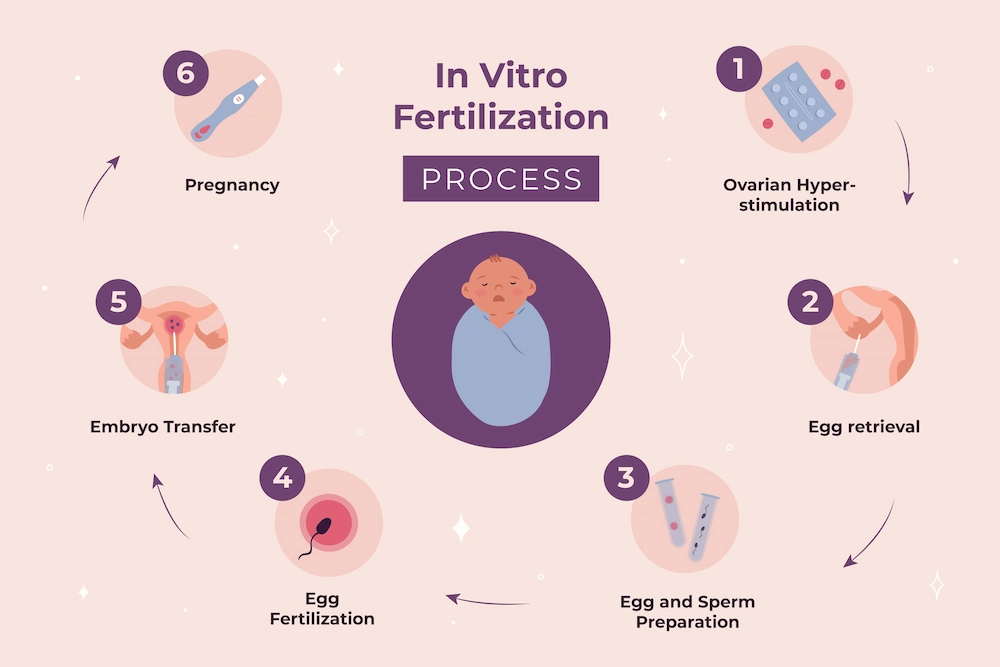
The ICSI procedure step by step follows the same general timeline as a standard IVF cycle, with the key difference occurring during the fertilization stage in the laboratory. The entire process is meticulously coordinated by your fertility team.
- Initial Consultation & Ovarian Stimulation: The journey begins with a comprehensive consultation. The female partner then starts a course of hormone injections for about 10-14 days. These medications stimulate her ovaries to produce multiple mature eggs, rather than the single egg typical of a natural cycle.
- Sperm Collection & Preparation: On the day of the egg retrieval, the male partner provides a fresh semen sample. If required, this is the point where a surgical sperm retrieval procedure (like TESA or PESA) would be performed by a urologist. The sample is then taken to the lab, where it is washed and processed to isolate the healthiest, most motile sperm.
- Egg Retrieval (Ovum Pick-Up): The female partner undergoes a minor, minimally invasive procedure under light sedation. Using ultrasound guidance, the doctor passes a thin needle through the vaginal wall into the ovaries to gently aspirate the fluid from the follicles, which contains the mature eggs. This procedure typically takes only 20-30 minutes.
- The ICSI Fertilization Process: This is the heart of the procedure. In the lab, an embryologist first prepares the eggs by removing the surrounding cumulus cells (a process called denudation). Under a high-powered microscope, the embryologist then:
- Selects a single, morphologically normal sperm.
- Immobilizes the sperm by gently touching its tail with the microinjection pipette.
- Picks up the immobilized sperm in the pipette.
- Holds the mature egg with a special holding pipette and carefully inserts the injection pipette through the egg’s outer shell (zona pellucida) and into its inner part (cytoplasm).
- Gently deposits the single sperm inside the egg and withdraws the pipette. This is repeated for every mature egg retrieved.
- Embryo Culture & Development: The fertilized eggs (now embryos) are placed in a special incubator where they are cultured in a nutrient-rich medium. The embryologists monitor their development over the next 3 to 5 days as they grow and divide.
- Embryo Transfer: Based on their quality and development, the best one or two embryos are selected for transfer. The doctor places the selected embryo(s) into the female partner’s uterus using a thin, flexible catheter. This is a quick and painless procedure that does not require anesthesia.
- Pregnancy Test: Approximately 10 to 14 days after the embryo transfer, a blood test (Beta-hCG) is performed to determine if the procedure has resulted in a successful pregnancy.
A Detailed Look at ICSI Cost and Success in Iran (2025)
Understanding the financial and success metrics is crucial for planning. Iran’s transparency in both areas empowers patients to make informed decisions.
Cost Breakdown: What’s Included?
The total cost for a cycle of ICSI in Iran typically ranges from 3,000to3,000 to 5,500. This comprehensive package fee generally covers:
- All consultations with the fertility specialist.
- Cycle monitoring, including all necessary ultrasounds and blood tests.
- Anesthesia and the egg retrieval procedure fee.
- The urologist’s fee for standard sperm collection.
- The critical ICSI laboratory fee for the fertilization process.
- Embryo culture for up to 5 days.
- The fresh embryo transfer procedure.
It is important to clarify what is not included in the package price. These costs often vary per patient and include fertility medications (which can range from 500to 500 to 2,000+ depending on the required dosage), preliminary diagnostic tests, fees for surgical sperm retrieval if needed, and optional services like embryo cryopreservation (freezing) for future use.
Factors Influencing the Final Cost
Several variables can affect the final bill. The female partner’s age and ovarian reserve directly influence the amount of medication needed. The choice of a top-tier clinic in a major city like Tehran may come at a slight premium compared to other cities. Finally, if you opt for additional advanced procedures like Preimplantation Genetic Testing (PGT) to screen embryos, this will be an added cost.
Analyzing ICSI Success Rates
The high success rate ICSI in Iran is a testament to the country’s clinical excellence. Success is measured at several key milestones:
- Fertilization Rate: As mentioned, this is typically very high with ICSI, often between 70% and 80%. This demonstrates the effectiveness of the laboratory technique.
- Clinical Pregnancy Rate: This is the percentage of embryo transfers that result in a pregnancy confirmed by ultrasound (showing a fetal heartbeat). In top Iranian clinics, this rate is often 40-60% for women under 35, which is highly competitive on a global scale.
- Live Birth Rate: This is the ultimate goal—the percentage of transfers that result in the birth of a baby. While slightly lower than the clinical pregnancy rate due to natural losses, it remains very strong in Iran.
Finding the Best ICSI Clinic in Iran
Choosing the right clinic is the most important decision you will make. To find a center that provides the best chance of success, consider the following criteria:
- Laboratory Quality and Embryologist Experience: The quality of the lab is paramount. Ask about their technology, quality control protocols, and the experience level of their embryology team.
- Specialist Credentials: Research the best doctors for ICSI. Look into their medical background, specialization in male infertility, and years of experience.
- Transparent Success Rates: A reputable clinic will be open about its success rates, ideally providing data broken down by patient age.
- International Patient Services: The best ICSI clinic in Iran for an international patient will have a dedicated department to assist you. This includes English-speaking coordinators, translation services, and help with travel and accommodation logistics.
- Patient Reviews: Seek out testimonials and reviews from other international couples who have received treatment at the clinic to learn about their firsthand experiences.
Frequently Asked Questions
Is the ICSI procedure painful for the woman?
The ICSI injection itself is a laboratory procedure performed on the eggs outside the body. For the woman, the most significant physical part is the egg retrieval. This is a minor surgical procedure performed under light sedation or anesthesia, so you will not feel any pain during the process. Afterward, some women may experience mild cramping or bloating for a day or two, which is usually managed easily with over-the-counter pain relief.
Are there increased risks of birth defects with ICSI?
This has been a topic of extensive research for decades. The current scientific consensus is that the risk of birth defects in children conceived via ICSI is very low and is comparable to that of children conceived via conventional IVF. Some studies suggest a very slight increase, but this is widely believed to be linked to the underlying genetic factors causing the severe male infertility itself, rather than the ICSI procedure.
How is the best single sperm selected for the injection?
Embryologists are highly trained in selecting the best sperm based on its morphology (shape) and motility (movement) under a powerful microscope. Some advanced clinics in Iran may also offer a technique called IMSI (Intracytoplasmic Morphologically Selected Sperm Injection), which uses an even higher-magnification microscope (up to 6000x) to get a more detailed look at the sperm’s internal structure and select the one with the highest potential.
Can I combine ICSI with gender selection in Iran?
Yes, it is very common and legally permitted to combine ICSI with gender selection in Iran. After the embryos are created using ICSI, they can undergo Preimplantation Genetic Diagnosis (PGD) or Screening (PGS/PGT-A). This genetic test can screen for chromosomal abnormalities and also accurately determine the sex of the embryo before it is transferred to the uterus.
What happens if no sperm is found in the ejaculate at all?
This condition, known as azoospermia, does not mean the end of the road. Iran’s top fertility centers have expert urologists who specialize in advanced surgical sperm retrieval techniques. Procedures like TESA (Testicular Sperm Aspiration), PESA (Percutaneous Epididymal Sperm Aspiration), and Micro-TESE (Microdissection Testicular Sperm Extraction) can often successfully retrieve sperm directly from the testes, which can then be used for ICSI.
Summary and Conclusion
For couples confronting the challenges of male-factor infertility, ICSI in Iran offers a powerful and accessible solution. The country has firmly established itself as a world leader in assisted reproduction by creating an environment where medical excellence and affordability are not mutually exclusive. The combination of highly skilled specialists, advanced laboratory technology, and a supportive legal framework results in success rates that are among the best in the world.
The decision to pursue this path is made even more compelling by the remarkable cost-effectiveness, allowing couples to access premier medical care without the immense financial burden found in many Western nations. Iran provides more than just a medical procedure; it offers a high-value, patient-centric journey toward achieving the dream of parenthood, making it the definitive choice for ICSI cost and success in 2025.