 گروه حمایت و همدلی زوجین نابارور

Fertility Preservation for Cancer Patients in Iran: Urgent Options for 2025
 مولف: Dr.Erfan Zare
Listen to the audio summary of the article
Receiving a cancer diagnosis is a life-altering moment, one that immediately fills your world with concerns about treatment, health, and survival. Amid this turmoil, another profound question often arises for young patients: “What about my future family?” The very treatments designed to save your life—chemotherapy, radiation, and surgery—can pose a significant threat to your fertility. Fortunately, a cancer diagnosis does not have to mean sacrificing your dream of parenthood. The field of oncofertility provides a powerful bridge between your cancer care and your future family, and fertility preservation for cancer patients in Iran offers a world-class, timely, and accessible solution.
For patients facing a tight timeline between diagnosis and the start of treatment, the need for rapid and effective fertility preservation is critical. Iranian fertility centers have risen to this challenge, developing specialized, fast-track protocols designed to safeguard your reproductive potential without delaying your life-saving cancer therapy. This guide provides a comprehensive overview of the urgent options available, the streamlined processes involved, and the compassionate, expert care you can expect in Iran.
Understanding Oncofertility: The Intersection of Cancer Care and Fertility
Oncofertility is a specialized medical discipline that unites oncology and reproductive medicine to explore and manage the reproductive futures of cancer patients. The primary goal is to minimize the negative impact of cancer treatments on fertility. Chemotherapy and radiation, while effective at destroying cancer cells, are not selective and can also damage healthy, rapidly dividing cells, including eggs in the ovaries and sperm-producing cells in the testes. Surgery to remove cancerous growths in the reproductive organs can also lead to infertility.
The critical window for action is before cancer treatment begins. Preserving fertility before chemo or radiation provides the best possible chance of having a biological child in the future. Once treatment has started and the damage to reproductive cells has occurred, the options become far more limited. This urgency is the driving force behind the development of advanced oncofertility services.
Why Iran is a Premier Destination for Oncofertility Services
Iran has established itself as a center of excellence in reproductive medicine, and its oncofertility services in Iran are a testament to this leadership. The country’s top clinics offer a unique combination of medical expertise, cutting-edge technology, and patient-centric care, all within a framework designed for the time-sensitive needs of cancer patients.
The key advantages include:
- Close Collaboration: Iranian oncofertility teams work in lockstep with oncologists. This multidisciplinary approach ensures that the fertility preservation plan is seamlessly integrated with the overall cancer treatment strategy, guaranteeing no detrimental delays.
- Advanced Cryopreservation Technology: Clinics utilize vitrification, an ultra-rapid freezing technique, for egg freezing for cancer patients and embryos. This method results in extremely high survival rates (over 95%) upon thawing, maximizing the potential for future success.
- Affordability and Accessibility: The cost of fertility preservation before treatment in Iran is significantly lower than in North America or Europe, making these vital procedures accessible to a wider range of patients, including those undertaking medical travel for fertility preservation.
- Dedicated Fast-Track Protocols: Recognizing the urgency, leading centers have specific oncofertility protocols that prioritize cancer patients. This includes flexible scheduling, rapid consultations, and the use of innovative stimulation techniques to complete the preservation cycle in the shortest possible time.
Urgent Fertility Preservation Options for Female Cancer Patients
For women and girls diagnosed with cancer, several effective methods are available to preserve fertility. The choice of procedure depends on the patient’s age, cancer type, treatment plan, and whether she has a male partner.
Egg Freezing (Oocyte Cryopreservation)
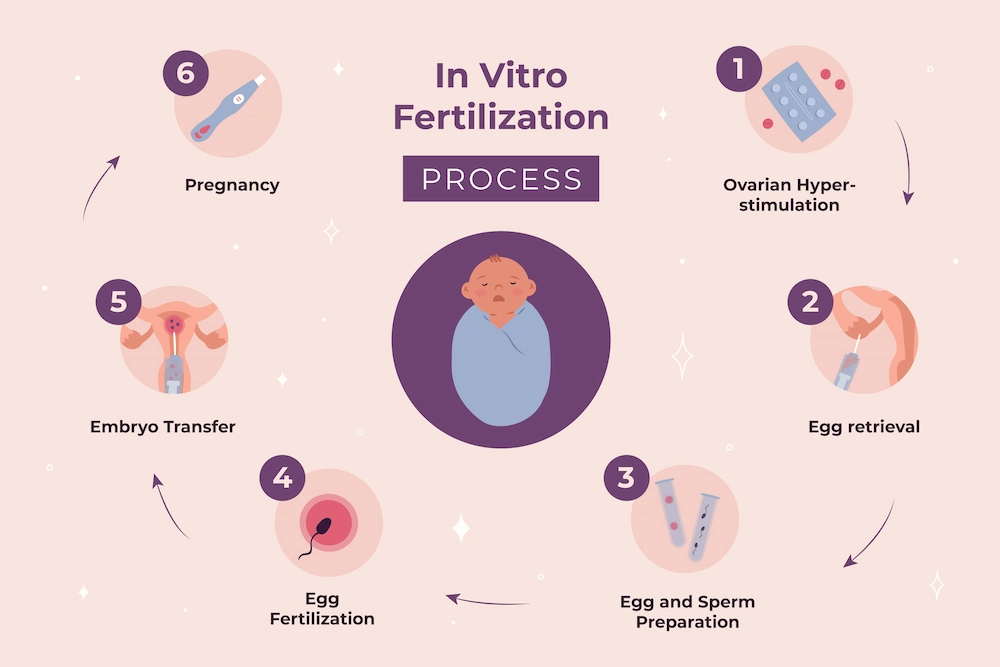
Egg freezing is the most common and effective option for post-pubertal women who do not have a male partner or do not wish to create embryos. The process involves a cycle of ovarian stimulation with hormone injections to mature multiple eggs, which are then retrieved in a minor, outpatient procedure and frozen using vitrification.
For cancer patients, time is of the essence. To accommodate this, Iranian clinics utilize “random-start” stimulation protocols. Unlike traditional IVF cycles that must begin on a specific day of the menstrual cycle, a random-start protocol can be initiated at any time. This innovation eliminates waiting time and allows for an urgent egg freezing Iran cycle to be completed, from start to retrieval, in as little as 10 to 14 days.
Embryo Freezing (Embryo Cryopreservation)
Embryo freezing is considered the most established and successful method of fertility preservation. It is an ideal option for women who have a male partner. The process is similar to egg freezing, but after the eggs are retrieved, they are fertilized with the partner’s sperm in the laboratory to create embryos. These embryos are cultured for several days and then frozen for future use.
Embryos are generally more robust than eggs and have a very high survival rate after thawing. Like egg freezing, this process can be expedited using random-start protocols to fit within the pre-treatment window.
Ovarian Tissue Freezing
Ovarian tissue freezing is a vital option for two main groups: pre-pubertal girls who are not yet ovulating and women who have absolutely no time to delay cancer treatment for an ovarian stimulation cycle. This procedure does not require any hormonal stimulation.
It involves a minimally invasive laparoscopic surgery to remove a small piece of one ovary. The outer layer of this tissue, which is rich in immature eggs, is then cryopreserved. After the patient is cancer-free and ready to start a family, the tissue can be thawed and transplanted back into her body, where it can regain function and produce eggs naturally.
Urgent Fertility Preservation Options for Male Cancer Patients
For men and boys, the options for fertility preservation are generally more straightforward and can be completed very quickly, posing minimal to no delay to the start of cancer therapy.
Sperm Banking (Sperm Cryopreservation)
Sperm banking is the standard, most effective, and fastest method for post-pubertal males. It involves providing a semen sample through masturbation, which is then analyzed, processed, and frozen for long-term storage. The entire process can be completed in a single visit.
For optimal results, it is often recommended to bank two to three samples on separate days before starting treatment. Leading centers for sperm banking in Iran have dedicated facilities that can accommodate these urgent appointments immediately, often on the same day as the consultation.
Testicular Sperm Extraction (TESE)
Testicular Sperm Extraction (TESE) is a surgical option for men who are unable to produce a sperm sample through ejaculation. It is also an important option for adolescent boys who have gone through puberty but may be unable to ejaculate on demand due to illness or anxiety.
TESE is a minor outpatient procedure where a small piece of testicular tissue is removed under local or general anesthesia. Sperm is then extracted from this tissue in the laboratory and cryopreserved. This procedure can be scheduled and completed very quickly, ensuring it fits within the tight pre-treatment timeline.
The Oncofertility Process in Iran: A Step-by-Step Guide for Patients
Navigating medical care in the face of a cancer diagnosis can be overwhelming. Iranian oncofertility centers have streamlined their processes to make it as simple and stress-free as possible for patients.
Step 1: Immediate Referral and Consultation
The process begins the moment you receive your diagnosis. Your oncologist can provide an immediate referral to a fertility preservation specialist. You or your doctor can contact the clinic’s international patient department, which is experienced in handling urgent cases. An initial consultation, often conducted via video call for international patients, will be scheduled within 24-48 hours. During this call, the specialist will review your diagnosis and proposed cancer treatment plan and explain your options.
Step 2: Coordinated Planning with Your Oncology Team
This step is a hallmark of high-quality oncofertility care. The fertility specialist will communicate directly with your oncologist. Together, they will review your case and create a synchronized timeline that allows for the completion of the fertility preservation cycle without compromising the start date of your chemotherapy or radiation. This collaborative planning provides immense peace of mind.
Step 3: Fast-Track Stimulation and Preservation Procedures
Once a plan is in place and you arrive in Iran, the process moves swiftly. For women undergoing egg or embryo freezing, the stimulation cycle begins immediately using a random-start protocol. You will have a few short monitoring appointments over the next 10-12 days before the retrieval procedure. For men, sperm banking can be completed in just a few days. The entire on-site process is designed for maximum efficiency.
Step 4: Secure Long-Term Storage and Future Planning
After your eggs, sperm, embryos, or tissue have been successfully cryopreserved, they are placed in highly secure, monitored cryo-storage tanks for long-term preservation. You can then proceed with your cancer treatment with the confidence that you have taken a proactive step to protect your future. The clinic will provide you with all the necessary documentation and maintain contact, ready to assist you when you are in remission and ready to use your preserved samples.
Navigating the Journey: Practical and Emotional Support
Recognizing the immense emotional weight of a dual diagnosis, leading Iranian clinics provide integrated support services. This includes access to counselors who specialize in oncofertility and can help you process the difficult decisions and emotions that arise during this time.
For international patients, dedicated coordinators make the logistics of medical travel for fertility preservation seamless. They provide assistance with medical visas, flight and accommodation arrangements, airport transfers, and translation services. This comprehensive support allows you to focus solely on your health and well-being.
Addressing Key Concerns and Questions
It is natural to have many questions when considering fertility preservation under such stressful circumstances. Here are answers to some of the most common concerns.
Will fertility preservation delay my cancer treatment?
No, it will not. Modern oncofertility protocols are specifically designed to be completed within the brief window of opportunity before cancer treatment begins. The close coordination between the fertility specialist and your oncologist ensures that the timeline is safe and will not negatively impact your cancer outcome. A typical cycle is completed in about two weeks.
Are the hormones used for egg freezing safe for patients with hormone-sensitive cancers?
This is a critical concern, especially for patients with estrogen-receptor-positive breast cancer. Fertility specialists in Iran are highly experienced in managing these cases. They use specialized stimulation protocols that include medications like Letrozole. This medication works to keep systemic estrogen levels low throughout the stimulation process, making it a safe and established option for patients with hormone-sensitive cancers.
What is the cost of fertility preservation in Iran?
While costs can vary slightly between clinics and based on the specific procedures required, the cost of fertility preservation before treatment in Iran is substantially more affordable than in many other countries. For example, a complete cycle of egg freezing, including medications and the procedure, can be 60-70% less expensive than in the United States. Clinics provide transparent, all-inclusive price quotes to help you plan accordingly.
Summary and Final Recommendations
A cancer diagnosis presents a formidable challenge, but it also creates an opportunity to take control of your future. Proactively choosing fertility preservation for cancer patients in Iran is an empowering act of hope. It allows you to focus fully on your fight against cancer, knowing you have done everything possible to protect your dream of having a family one day.
Iran’s combination of world-class medical expertise, advanced cryopreservation technology, and uniquely rapid, patient-focused protocols makes it a leading global destination for oncofertility care. By working with a collaborative team of oncologists and fertility specialists, you can safely and effectively preserve your fertility without delaying your essential cancer treatment, securing a future filled with possibility.
Frequently Asked Questions (FAQ)
Q1; How long can eggs, sperm, and embryos remain frozen?
Cryopreserved reproductive materials can be stored indefinitely. The vitrification process halts all biological activity, and as long as the samples are maintained at the correct temperature in liquid nitrogen, their quality does not degrade over time. There have been many successful pregnancies from samples stored for over a decade.
Q2: What are the success rates when using frozen eggs or embryos in the future?
Success rates primarily depend on the woman’s age at the time the eggs or embryos were frozen, not the length of time they were stored. Eggs frozen from a woman in her 20s or early 30s will have a much higher chance of resulting in a live birth than those frozen at an older age. Generally, the chances of success per embryo transfer using frozen-thawed embryos are comparable to those of fresh embryo transfers.
Q3: Is ovarian tissue freezing still considered an experimental procedure?
While it was once considered experimental, ovarian tissue freezing and transplantation has become an increasingly established clinical option in recent years, with over a hundred live births reported worldwide. It is a vital option for pre-pubertal girls and women needing immediate treatment, though success rates can vary and it is offered at specialized centers with expertise in the technique.
Q4: What happens if I decide not to use my frozen samples in the future?
Once you are certain you have completed your family or no longer wish to use your preserved samples, you have several options. You can choose to have the samples respectfully discarded, you may be able to donate them to another individual or couple struggling with infertility, or you can potentially donate them for scientific research.
Q5: How can I arrange medical travel to Iran for fertility preservation on very short notice?
The first step is to contact the international patient department of a reputable Iranian fertility clinic immediately. Explain your situation and the urgency. Their coordinators are experienced in fast-tracking the process. They will guide you through providing your medical records, arrange a swift virtual consultation, and issue the necessary documents for an expedited medical visa application.
Summary and Final Recommendations
A cancer diagnosis presents a formidable challenge, but it also creates an opportunity to take control of your future. Proactively choosing fertility preservation for cancer patients in Iran is an empowering act of hope. It allows you to focus fully on your fight against cancer, knowing you have done everything possible to protect your dream of having a family one day.
Iran’s combination of world-class medical expertise, advanced cryopreservation technology, and uniquely rapid, patient-focused protocols makes it a leading global destination for oncofertility care. By working with a collaborative team of oncologists and fertility specialists, you can safely and effectively preserve your fertility without delaying your essential cancer treatment, securing a future filled with possibility.